


Hardwood floors are one of the most defining features in an Oakville home. They add warmth, value, and long-term appeal, but they do not last forever.
At some point, every homeowner reaches the same crossroads: Is this a simple floor refinishing job, or are these signs it’s time to replace your hardwood floors, not just refinish?
The answer depends on far more than surface scratches or colour wear. This guide breaks down the real structural, financial, and practical truths behind hardwood floors so you can make a confident decision for your home today, not one you will regret in a few years.
Is It Even Possible?
Before choosing stains, finishes, or materials, the first question is whether refinishing is even structurally possible.
The Sanding Limit Most Homeowners Don’t Know About
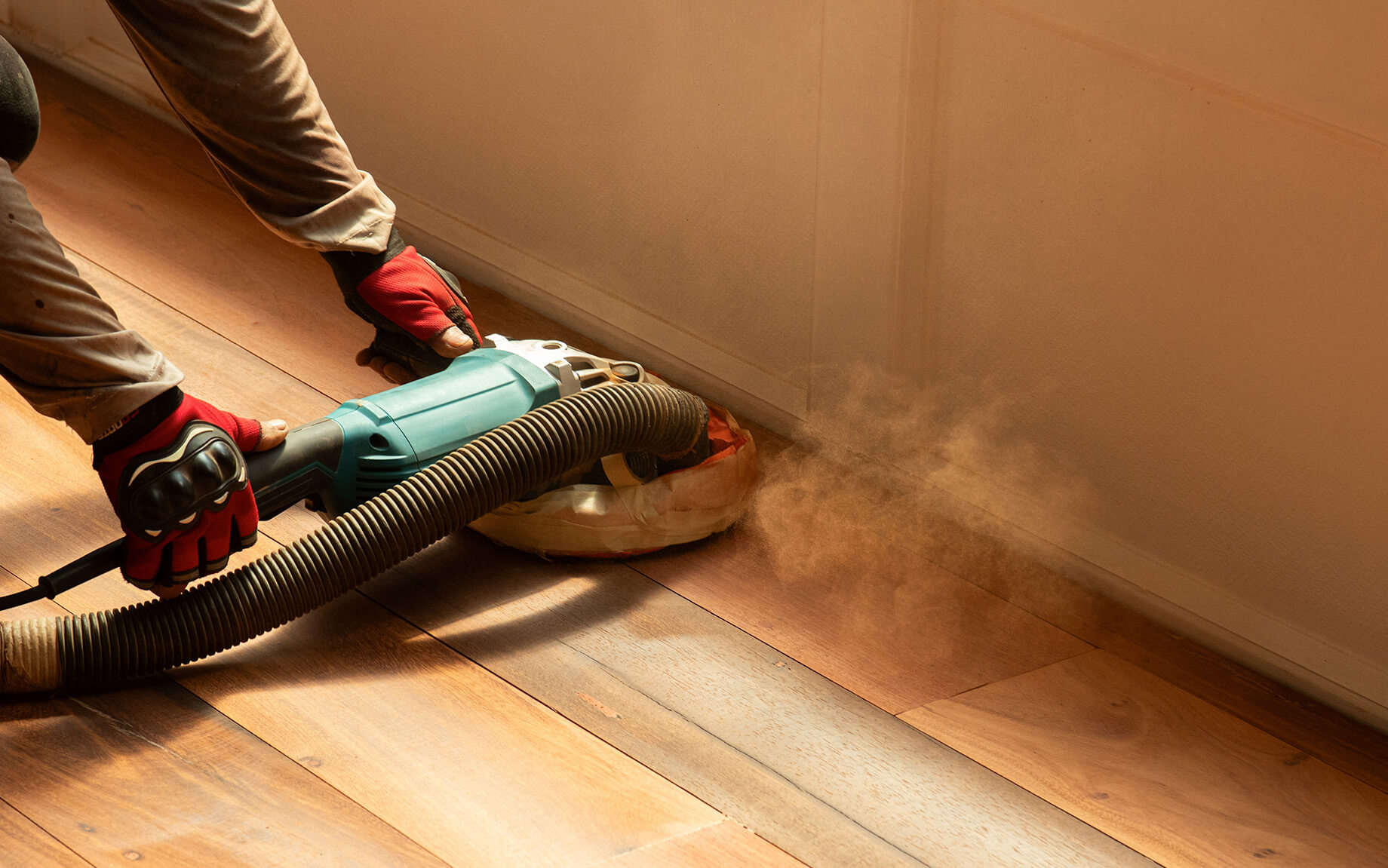
Every wood floor has a limited lifespan because sanding removes material each time it is done.
With solid hardwood floors, you can typically sand them five to seven times total over their entire floor’s lifespan. Each sanding removes a thin layer of real wood, and once that layer is gone, the floor can no longer safely stand up to refinishing.
In many older Oakville houses, especially those built in the 1950s to 1970s, the existing hardwoods may already be at that limit even if they still look decent on the surface.
Once sanding removes too much wood, structural integrity becomes a concern.
Engineered Wood Flooring Realities
Another common question homeowners ask is whether engineered wood flooring can be refinished.
Engineered flooring is built differently. It consists of a real wood veneer on top of plywood layers. That top veneer, often called the wear layer, determines whether sanding is possible.
If the wear layer is under two millimetres, refinishing is usually not safe.
If it is thicker, limited sanding may be possible.
Many engineered products installed years ago were never designed for repeated refinishing and are better candidates for replacement.
Exposed Nails Are a Major Warning Sign
If you are seeing shiny metal spots or exposed nails in the middle of your wooden floors, that is not cosmetic wear.
It means sanding has already reached the tongue and groove joint or fasteners. At this stage, continuing to sand can compromise the floorboards entirely, making hardwood floor replacement the safer option.
Will the Smell or Stain Go Away?
This is where expectations and reality often collide.
Many homeowners hope refinishing is the perfect solution for stains, smells, and discoloration. Sometimes it works, but sometimes it simply hides the problem temporarily.
Pet Accidents and Dark Spots
In cases of heavy pet accidents or water damage, odors often sink into the subfloor beneath the hardwood.
Refinishing the surface does nothing to stop smells rising back up, particularly during Oakville’s humid summers when moisture levels increase.
If the damaged subfloor holds odor or bacteria, a full replacement is often the only lasting repair.
Odors Trapped Below the Surface
In cases of heavy pet accidents or water damage, odors often sink into the subfloor beneath the hardwood.
Refinishing the surface does nothing to stop smells rising back up, particularly during Oakville’s humid summers when moisture levels increase.
If the damaged subfloor holds odor or bacteria, a full replacement is often the only lasting repair.
Ready for a change?
Let’s talk about your project today!
Financial Reality: Cost vs Value
Oakville homeowners are rightly focused on return on investment.
Refinishing vs Replacement Costs
Floor refinishing typically costs three to six dollars per square foot.
Hardwood floor replacement typically costs twelve to twenty dollars or more per square foot, depending on materials and professional installation.
At first glance, refinishing appears far more cost-effective.
However, once more than thirty percent of the boards require repair, weaving in new planks, colour matching, and labor often push costs close to replacement without delivering the same long-term durability.
Modern Buyer Expectations
Many older homes still feature narrow planks, glossy finishes, and dated oak or pine tones.
Today’s buyers are drawn to wide plank hardwood, matte or satin finishes, and durable modern flooring options.
Refinishing cannot change plank width, layout, or construction. Replacement allows homeowners to upgrade to new flooring that better matches modern design standards, especially in high traffic areas.
Structural Red Flags: When Refinishing Is a Waste
Some issues go far beyond surface wear.
Uneven Surfaces and Floor Movement
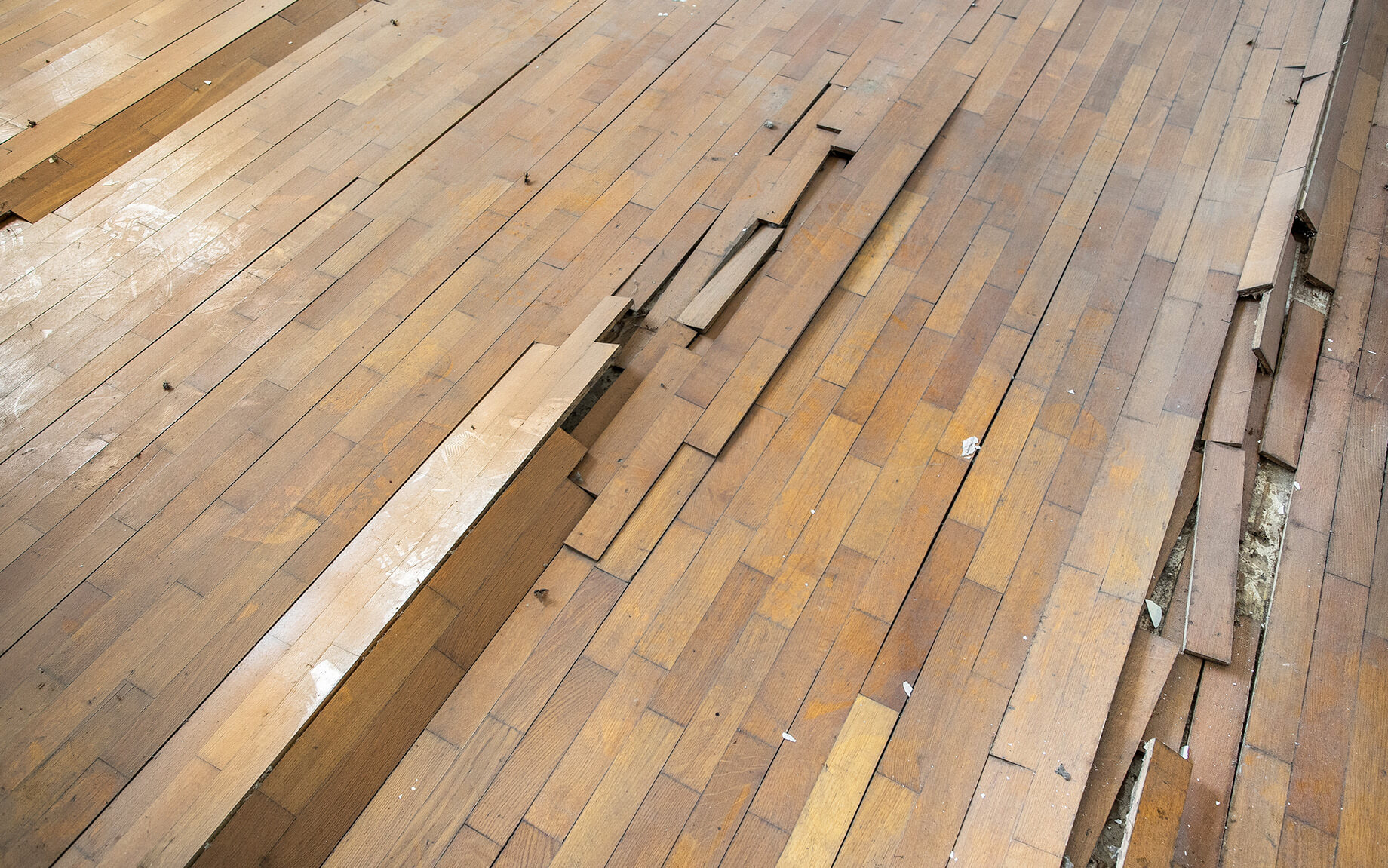
If your floor feels bouncy or uneven underfoot, this usually points to floor movement, poor installation, loose nails, or a damaged subfloor.
Persistent movement means refinishing will fail quickly. Finish cracks, gaps reopen, and squeaks return.
This is often a clear sign it is time to replace, not refinish.
Warping and Moisture Damage
Moisture damage is one of the biggest threats to wood flooring.
Signs include cupping where edges are higher than the center, warping, swelling near bathrooms or kitchens, and discoloration from water damage.
Sanding warped boards creates thin weak spots that may crack within months. In cases of water damaged flooring, replacement is usually the safest path forward.
When Refinishing Does Make Sense
Not every worn floor needs replacement.
Refinishing is still a great option when damage is limited to minor scratches, the wood is thick enough, there is no moisture damage, no structural damage exists, and boards remain stable and flat.
In these cases, refinishing can restore beauty, remove surface stains, and extend the floor’s lifespan for many years.
Frequently Asked Questions
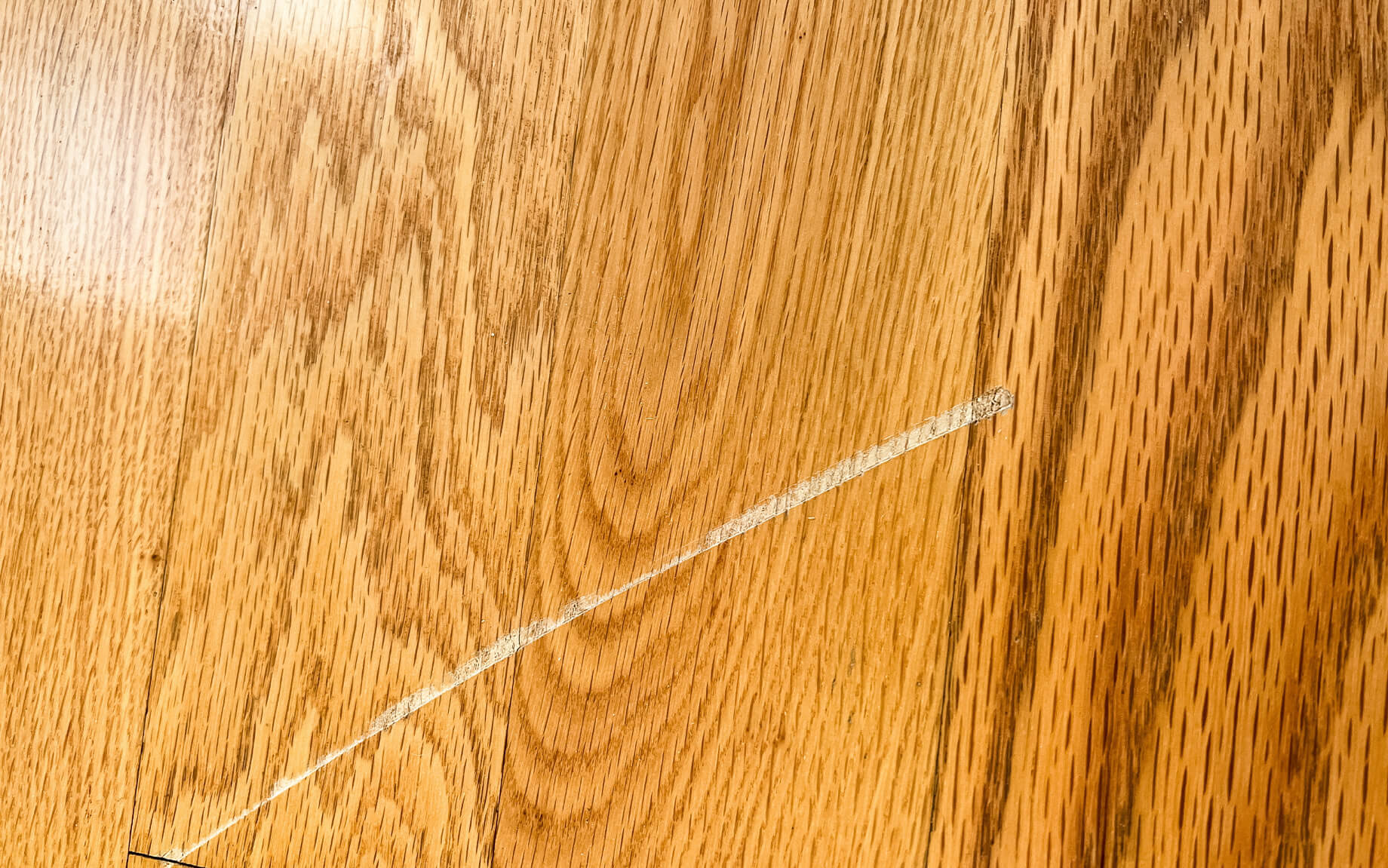
Q: Can you refinish hardwood with deep scratches?
A: If scratches are only in the surface finish, refinishing will remove them completely. If the scratches cut deeply into the wood itself, filler may help, but widespread deep gouges often result in an uneven appearance, making replacement the better option.
Q: How do I know if my floor is too thin to sand?
A: Look closely between floorboards. If you can see the horizontal tongue of the next board, sanding removes too much material and the floor has reached its limit.
Q: My floors are turning grey. Is that bad?
A: Yes. Grey wood means the finish has worn away and oxidation has begun. If addressed quickly, refinishing may still work. If left too long, the wood can turn black and require total replacement.
The Bottom Line for Oakville Homeowners
Hardwood floors do not fail overnight. They wear out gradually.
Knowing the warning signs early helps homeowners avoid spending money on short-term fixes when replacement is inevitable.
Refinishing works best when the structure is sound and the damage is cosmetic. Replacement is the smarter choice when moisture, movement, odors, or thinning boards compromise the floor’s integrity.
When in doubt, an expert assessment from a qualified flooring professional can determine whether your flooring needs refinishing or whether it is truly time to replace.

MAIN BLOG