


Many homeowners love the warmth and character that hardwood floors bring to a house. When those floors start to show their age, the instinct is often to refinish hardwood floors and restore them to their former glory.
In many cases, that's exactly the right call. But refinishing wood floors isn't always the answer. There comes a point when no amount of sanding, staining, or sealing can undo what time, water, or structural issues have done.
Knowing the difference between a floor worth saving and one that needs full replacement can save you money, headaches, and a lot of dust. That's what we walk you through in this article!
When refinishing hardwood floors simply isn't enough anymore
Refinishing floors works by sanding down the top layer of wood to remove scratches, stains, and worn finish, then applying a new stain colour and sealant. It's a cost-effective way to extend the life of quality hardwood floors, but it only works if there's enough material left to sand.
Solid hardwood planks can generally be refinished several times over their lifespan. However, once the wood becomes too thin, warped, or structurally compromised, refinishing is no longer a safe or practical option.
At that point, hardwood floor replacement becomes not just preferable, but necessary. The team at Supreme Flooring has seen this scenario many times, and we're always honest with our customers about whether refinishing will actually solve the problem or simply delay a bigger one.
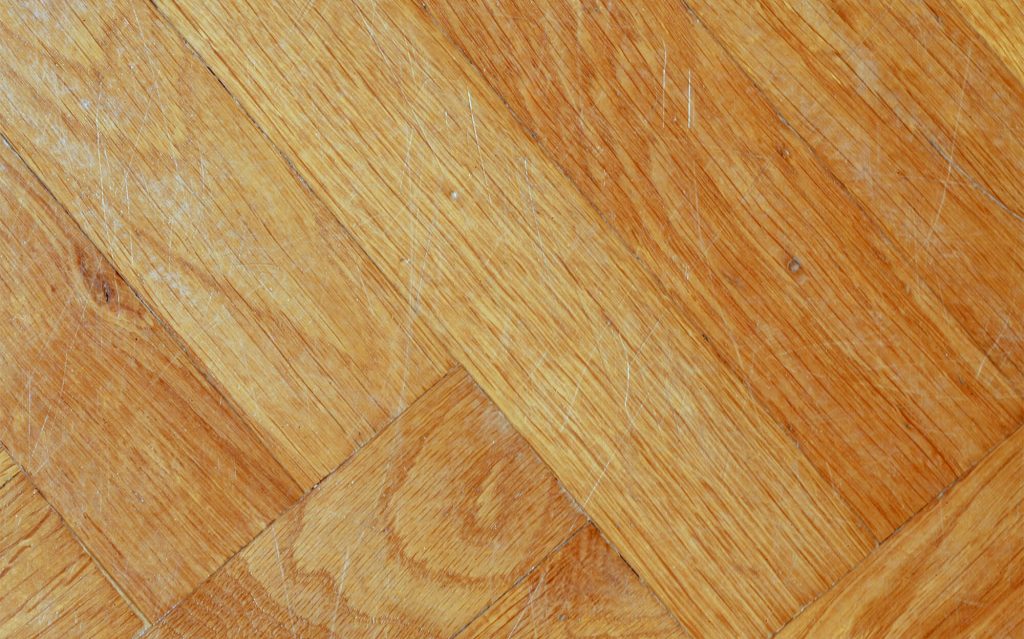
Extreme wear that no amount of sanding can fix
If your hardwood floors have been refinished multiple times already, the planks may simply be too thin to sand again.
You can check this yourself. Grab a measuring tape and look at the thickness of your boards along the edge, near the baseboards. Solid hardwood is generally ¾ inch thick when new. If your boards have been sanded down significantly, there may not be enough wood left to work with safely.
Trying to sand floors that are already worn through risks exposing the tongue-and-groove underneath, making the entire floor unstable. This is a clear sign it's time to replace hardwood rather than refinish it.
Severe flooring damage: cracks, splits, and boards that can't be repaired
Minor scratches and surface stains are cosmetic issues, and refinishing handles those well. But when you're dealing with severe flooring damage like deep cracks running through multiple planks, boards that have split along the grain, or large sections where the wood has completely broken down, repair is no longer realistic.
Replacing a few isolated boards is sometimes possible. But when damage is widespread across the room, a full replacement is the smarter and more affordable long-term solution.
Patching boards of a different wood species or age will rarely match the original character of the floor, leaving your space looking pieced together rather than polished. Supreme Flooring can assess whether selective repairs are viable or whether a full hardwood floor replacement is the better investment.
Structural damage and sagging spots below the surface
One of the most serious signs that replacing floors is necessary is when the problem goes beyond the surface.
Sagging spots, soft areas underfoot, or a floor that noticeably dips in certain area point to structural damage. Whether that's a compromised subfloor, rotting joists, or long-term moisture intrusion, no flooring installation will look or perform well until the underlying structure is properly addressed.
No matter how skilled the installer, new wood laid over a damaged subfloor will fail. Before new wood goes down, the underlying structure needs to be assessed and repaired.
Ignoring it and simply refinishing over the problem only delays a much more expensive fix later.
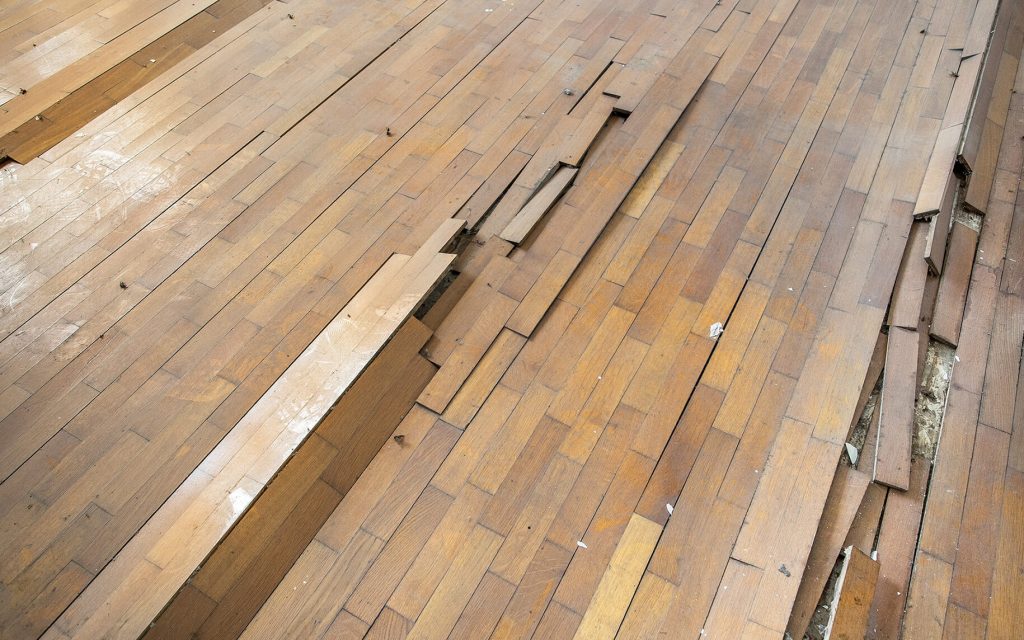
Floor movement, buckling, and gaps that signal a bigger problem
If you notice squeaking that has worsened over time, or if you can see gaps between planks that open and close with the seasons, some floor movement is normal. Wood expands and contracts with humidity, and that's expected.
But when buckling, cupping, or warped planks become a permanent feature rather than a seasonal one, it usually means moisture has gotten into the system and the boards have been compromised.
Severe water damage, whether from water leaks, flooding, or years of moisture buildup, causes wood to swell, separate, and lose its structural integrity. In these cases, refinishing simply masks the problem.
The entire floor, and potentially the subfloor, needs to come out. The sooner it's addressed, the less damage spreads to surrounding areas of your home.
The real cost of hardwood floor replacement vs. another floor finish
Many customers hesitate at the cost of hardwood floor replacement, and that's completely understandable. Refinishing is generally less expensive upfront.
But when floors have reached the point of severe water damage, structural damage, or extreme wear, refinishing becomes money spent on borrowed time.
A full replacement done right, with quality hardwood or engineered hardwood floors, gives you decades of durability and performance. Engineered hardwood is an excellent option for many Southern Ontario homes, particularly in spaces with humidity fluctuations, as engineered floors are more dimensionally stable than solid hardwood in those conditions.
At Supreme Flooring, we work with a wide range of materials and budgets to make sure you get the best value, not just the lowest price.
Replacing hardwood floors: what Southern Ontario homeowners need to know
When you do move forward with replacing hardwood floors, you have an opportunity to completely reimagine your space.
New flooring means a new stain colour, a new layout, updated baseboards, and a completely new look that fits your current style and budget. Whether you choose solid hardwood, engineered hardwood installation, or explore other options like laminate for certain areas, the installation process makes all the difference.
Southern Ontario's climate creates real challenges for wood floors year-round. Humidity in summer, dry heat in winter, and everything in between affects how flooring performs and lasts. Supreme Flooring understands these conditions and installs every floor with that in mind.
Know when to let go
Quality hardwood floors are an investment worth protecting. But protecting them sometimes means knowing when refinishing has reached its limit.
If your floors show signs of severe flooring damage, floor movement, structural compromise, or have simply been worn and refinished to the point of no return, replacing hardwood floors is the responsible and cost-effective choice.
Don't pour more money into a floor that can't be saved. Invest in new wood that will serve your home well for decades to come.
Supreme Flooring serves homeowners across Southern Ontario with expert hardwood floor installation, replacement. Contact us at supremeflooring.ca, or call (647) 893- 771 for an honest assessment and a free quote.

MAIN BLOG