

Hardwood flooring preferences in the GTA have shifted noticeably over the past few years, and 2026 is seeing those shifts settle into a clear direction. Homeowners in Oakville, Mississauga, Burlington, Toronto, and Hamilton are moving away from the dark, high-gloss floors that dominated renovation conversations a decade ago and toward something that feels warmer, more natural, and more enduring.
If you are planning a flooring project this year and want to know what is resonating with buyers and design-forward homeowners alike, here is what we are seeing on the ground.
Are lighter or darker floors more popular in GTA homes right now?
Lighter floors are winning, and by a meaningful margin. Natural and light-to-medium tones have become the dominant choice across GTA renovations, driven in part by the shift toward open-concept living spaces where lighter floors make rooms feel larger, airier, and more connected to natural light.
White oak in its natural state has been the standout species of the past several years and shows no sign of slowing in 2026. Its warm, slightly cool undertone pairs well with both the warm white and greige palettes that are prevalent in Mississauga and Oakville interiors, as well as the more contrast-driven design choices popular in Toronto and Hamilton homes.
That said, dark floors have not disappeared. Deep espresso and charcoal tones still appear in higher-end homes where the design intent is drama and formality. The difference is that dark floors today are a deliberate design statement rather than a default choice, and homeowners making that choice are typically working with a designer who has considered the full room.
What finishes are GTA homeowners choosing in 2026?
Matte and satin finishes have replaced high-gloss almost entirely in residential installations across the GTA, and the reasons are both aesthetic and practical. Matte finishes give hardwood a more natural, organic appearance that reads as contemporary without being trendy. They also conceal everyday scratches, scuffs, and dust far more effectively than a glossy surface, which matters in any household that actually lives on its floors.
Wire-brushed textures have become particularly popular as a companion to matte finishes. The light surface texture adds visual depth to the wood grain, enhances the natural character of the species, and further reduces the visibility of wear over time. For families in Oakville and Burlington with kids, pets, and busy main floors, wire-brushed matte is one of the most practical and beautiful finish combinations available right now.
We covered the broader evolution of wood flooring aesthetics and how GTA preferences have developed over time in an earlier post on flooring colour trends and innovations, which is worth reading alongside this one for additional context.
What plank width and length are most popular right now?
Wider and longer planks have become the clear preference across Southern Ontario renovations. Where three-inch strip flooring was once standard, five-inch, six-inch, and even seven-inch wide planks are now the most-requested widths in installations across Mississauga, Oakville, Burlington, and Toronto.
Wider planks show more of the wood's natural grain character, reduce the number of seams visible across a floor, and create a cleaner, more expansive look in open-concept spaces. Longer plank lengths reinforce that effect by allowing the grain to run further across the room without interruption.
One consideration worth knowing: wider and longer planks in solid hardwood require precise subfloor preparation and a properly conditioned environment to perform correctly, particularly in Southern Ontario's seasonal climate. Engineered hardwood handles wider plank formats more forgivingly due to its dimensional stability. If a wide-plank look is a priority for your project, understanding the difference between solid and engineered hardwood is a useful first step before selecting a product.
Will a trending floor colour hurt resale value if the trend shifts?
This is a smart question, and one that separates homeowners who are decorating from those who are investing. The honest answer is that the finishes and tones trending in 2026 are not fast-moving fashion trends. They are part of a broader, longer-term shift in residential design toward natural materials, organic textures, and neutral warmth that has been building for years and is well established in the GTA buyer market.
A wide-plank white oak floor with a matte finish installed in 2026 will not feel dated in five or eight years the way a high-gloss dark floor installed in 2012 now does. Choosing a natural, neutral tone in a quality species is still the safest and most rewarding flooring investment for resale. We explored the relationship between flooring choices and home value in more detail in our post on hardwood flooring as a home investment in Mississauga, which is relevant whether you are renovating to sell or to stay.
How do I know which colour and finish is right for my specific space?
This is where the in-person conversation matters most. The right floor for your home depends on your existing trim, cabinetry, wall colour, and natural light, and those variables interact differently in every room. What photographs beautifully in a staged listing may not be the right choice for a north-facing living room in a Burlington semi-detached.
The best way to make this decision confidently is to bring samples into the actual space and look at them in your light, at different times of day. An experienced installer will know which products have performed well in homes similar to yours and can steer you away from choices that look right in a showroom but fall short in a real living environment.
Ready to bring the right floor into your home?
Supreme Flooring works with homeowners across Oakville, Mississauga, Burlington, Hamilton, Toronto, and the GTA to select and install hardwood flooring that looks beautiful today and holds its value for years to come. If you are planning a project and want to see what the right product looks like in your space before committing, we are ready to help.
Call us at 647.893.1771 for a free estimate and consultation. We will come to your home, walk through your space, and give you honest recommendations based on what we know works in Southern Ontario homes.
If you are planning a renovation and wondering how much does it cost to install hardwood flooring in your home, you are not alone. It is one of the most common questions homeowners across southern Ontario ask before starting a project.
The answer depends on several factors, from the type of wood you choose to the condition of your existing floor.
This guide breaks down everything you need to know about hardwood flooring installation costs so you can plan your budget with confidence.
Understanding Hardwood Floors: Solid vs. Engineered Hardwood Floors
Before diving into pricing, it helps to understand your main material options.
Solid hardwood is milled from a single piece of real wood and is what most people picture when they think of traditional hardwood. It can be refinished multiple times over its lifespan, making it a long-term investment. Solid wood works best in living rooms, bedrooms, and dining areas but is not recommended for below-grade spaces like basements due to moisture sensitivity.
Engineered hardwood floors are constructed with a real wood veneer on top and layers of engineered wood beneath. Engineered wood flooring offers greater stability in humid or temperature-variable environments, making it a popular choice for Ontario homes. Engineered flooring can still be refinished, though not as many times as solid hardwood, and it tends to be easier to install in a wider range of spaces.
Both hardwood floors and engineered hardwood are considered premium flooring options that add lasting value to your home.
Average Cost Per Square Foot in Southern Ontario
So, how much does hardwood flooring cost in this region? Here is a general breakdown of what homeowners can expect to pay:
- Engineered hardwood floors: $8 to $16 per square foot installed
- Solid hardwood: $10 to $20 per square foot installed
- Exotic woods (e.g., Brazilian cherry, Brazilian walnut): $18 to $30 or more per square foot installed
These figures reflect material and installation costs combined. Keep in mind that hardwood flooring prices fluctuate based on availability and wood costs in the current market. Always request an updated quote from your flooring contractor before finalizing your budget.
Breaking Down Labour Costs for Flooring Installation
Labour costs typically make up a significant portion of your overall hardwood flooring installation cost. In southern Ontario,professional hardwood flooring installation labour generally runs between $3 and $6 per square foot, depending on the complexity of the job.
Factors that affect labour costs include:
- Room size and layout: Larger, open-concept areas are more straightforward to work in, while irregular room shapes or multiple smaller rooms increase installation complexity.
- Plank width: Narrower planks require more cuts and more time to lay, while wider planks can speed up the installation process. However, wider planks may require more precise subfloor preparation to avoid visible gaps or movement.
- Pattern and layout direction: Installing hardwood at an angle or in a herringbone pattern requires specialized tools and additional skill, which increases labour costs.
For most standard installations, homeowners should budget between $2,000 and $5,000 in labour alone for an average-sized home.
Subfloor Preparation: What It Is and Why It Affects Your Budget
One area where costs can climb quickly is subfloor preparation. Before new hardwood floors can be installed, the subfloor must be clean, level, and structurally sound. If the existing floor has soft spots, squeaks, or uneven areas, subfloor repairs will be needed.
Subfloor preparation costs can range from a few hundred dollars for minor leveling work to over $1,000 if there is significant damage to address. Skipping this step is never advisable, as an uneven subfloor leads to problems down the line including warping, squeaking, and damage to your hardwood planks. A successful installation always starts with a solid foundation.
Flooring Removal Costs: Don't Forget Your Old Floor
If you have an existing floor that needs to come up before installation can begin, old flooring removal is an additional cost to factor in. Flooring removal typically costs between $1 and $3 per square foot in Ontario.
The final price for removal depends on the type of old flooring being taken out. Carpet is generally quicker and cheaper to remove, while tile or glued-down existing floor materials take more time and effort. Furniture removal may also be required before work begins, which some contractors include in their quote and others charge separately. Make sure to clarify this when getting your estimate.
Cost to Install Hardwood vs. Engineered Flooring: A Side-by-Side Comparison
When weighing the cost to install hardwood against engineered wood flooring, engineered options are often the more budget-friendly choice upfront. Here is a quick comparison:
| Type | Material Cost (per sq ft) | Labour Cost (per sq ft) | Total Range |
|---|---|---|---|
| Engineered Hardwood | $4 to $10 | $3 to $6 | $7 to $16/sq ft |
| Solid Hardwood | $5 to $14 | $3 to $6 | $8 to $20/sq ft |
| Exotic Woods | $12 to $22+ | $4 to $8 | $16 to $30+/sq ft |
Solid hardwood costs more upfront but can be refinished multiple times, potentially making it more economical over decades of use. Engineered wood is a smart choice for budget-conscious homeowners who still want the look and feel of real wood without the higher initial investment.
What Affects the Cost Per Square Foot When Installing Hardwood?
Several variables influence your final cost per square foot beyond just material and labour. Understanding these can help you avoid surprises:
- Wood species: Domestic woods like oak, maple, and ash are typically more affordable than exotic woods such as Brazilian walnut or Brazilian cherry. Exotic woods cost significantly more due to sourcing and import expenses.
- Wood type and grade: Higher-grade wood flooring with fewer knots and a more consistent appearance commands a premium price and suits upscale interiors particularly well.
- Unfinished flooring vs. prefinished: Unfinished flooring requires on-site sanding and finishing after installation, which adds to wood flooring costs. Prefinished options save time but may cost more per square foot upfront.
- High traffic areas: If you are installing hardwood in hallways, kitchens, or other high traffic areas, you may want to invest in an extremely durable species or finish to protect your floor's appearance over time.
- Total square footage: Larger flooring areas often bring the cost per square foot down slightly, as contractors can work more efficiently across a bigger space.
For examples of our work, you should check out our most recent Hardwood flooring installs across Southern Ontario.
Exploring Your Flooring Options: Wood Floors for Every Budget
One of the advantages of working with a local flooring contractor is getting guidance tailored to your specific home and budget. Here is a quick overview of popular flooring options:
- Traditional hardwood (solid wood): Best for main floor living spaces and high-end renovations where longevity is the priority.
- Engineered hardwood: Ideal for basements, kitchens, or anywhere moisture is a concern. Great middle ground between cost and quality.
- Exotic species: Perfect for homeowners looking for a unique aesthetic. Brazilian cherry and Brazilian walnut offer stunning colour and grain patterns but come at a higher price point.
When choosing wood floors, consider not just the upfront flooring cost but the long-term value each option brings to your home.
Tips for Getting an Accurate Quote on Your Flooring Installation
To get the most accurate hardwood flooring installation cost for your project, keep the following in mind:
- Measure your total square footage accurately before reaching out for quotes. Include all rooms in your flooring project and account for closets and hallways.
- Ask what is included in the quote. Does it cover old flooring removal, furniture removal, subfloor repairs, and disposal?
- Avoid DIY installation unless you have direct experience. Improper installation can void product warranties and lead to costly repairs. Professional installation protects your investment.
- Get at least two or three quotes from reputable local contractors to compare overall cost and scope of work.
Installing hardwood floors is one of the best investments you can make in your home. With the right planning and a qualified hardwood flooring contractor, your hardwood flooring project will deliver lasting beauty, durability, and value for years to come.
Ready to get started? Contact us today for a free, no-obligation quote on hardwood flooring installation across Oakville and Southern Ontario.
Many homeowners love the warmth and character that hardwood floors bring to a house. When those floors start to show their age, the instinct is often to refinish hardwood floors and restore them to their former glory.
In many cases, that's exactly the right call. But refinishing wood floors isn't always the answer. There comes a point when no amount of sanding, staining, or sealing can undo what time, water, or structural issues have done.
Knowing the difference between a floor worth saving and one that needs full replacement can save you money, headaches, and a lot of dust. That's what we walk you through in this article!
When refinishing hardwood floors simply isn't enough anymore
Refinishing floors works by sanding down the top layer of wood to remove scratches, stains, and worn finish, then applying a new stain colour and sealant. It's a cost-effective way to extend the life of quality hardwood floors, but it only works if there's enough material left to sand.
Solid hardwood planks can generally be refinished several times over their lifespan. However, once the wood becomes too thin, warped, or structurally compromised, refinishing is no longer a safe or practical option.
At that point, hardwood floor replacement becomes not just preferable, but necessary. The team at Supreme Flooring has seen this scenario many times, and we're always honest with our customers about whether refinishing will actually solve the problem or simply delay a bigger one.
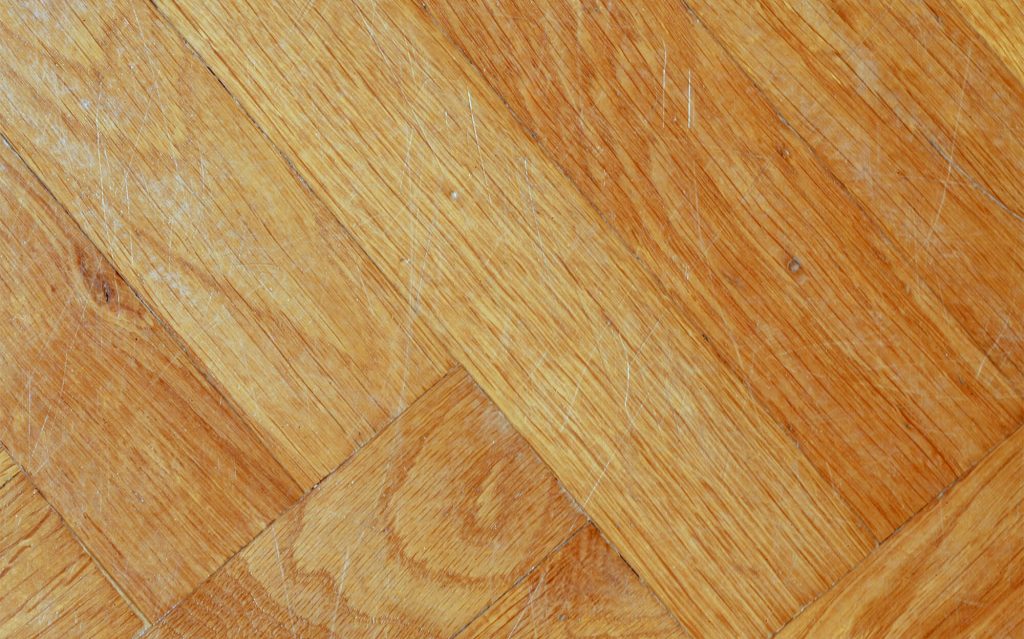
Extreme wear that no amount of sanding can fix
If your hardwood floors have been refinished multiple times already, the planks may simply be too thin to sand again.
You can check this yourself. Grab a measuring tape and look at the thickness of your boards along the edge, near the baseboards. Solid hardwood is generally ¾ inch thick when new. If your boards have been sanded down significantly, there may not be enough wood left to work with safely.
Trying to sand floors that are already worn through risks exposing the tongue-and-groove underneath, making the entire floor unstable. This is a clear sign it's time to replace hardwood rather than refinish it.
Severe flooring damage: cracks, splits, and boards that can't be repaired
Minor scratches and surface stains are cosmetic issues, and refinishing handles those well. But when you're dealing with severe flooring damage like deep cracks running through multiple planks, boards that have split along the grain, or large sections where the wood has completely broken down, repair is no longer realistic.
Replacing a few isolated boards is sometimes possible. But when damage is widespread across the room, a full replacement is the smarter and more affordable long-term solution.
Patching boards of a different wood species or age will rarely match the original character of the floor, leaving your space looking pieced together rather than polished. Supreme Flooring can assess whether selective repairs are viable or whether a full hardwood floor replacement is the better investment.
Structural damage and sagging spots below the surface
One of the most serious signs that replacing floors is necessary is when the problem goes beyond the surface.
Sagging spots, soft areas underfoot, or a floor that noticeably dips in certain area point to structural damage. Whether that's a compromised subfloor, rotting joists, or long-term moisture intrusion, no flooring installation will look or perform well until the underlying structure is properly addressed.
No matter how skilled the installer, new wood laid over a damaged subfloor will fail. Before new wood goes down, the underlying structure needs to be assessed and repaired.
Ignoring it and simply refinishing over the problem only delays a much more expensive fix later.
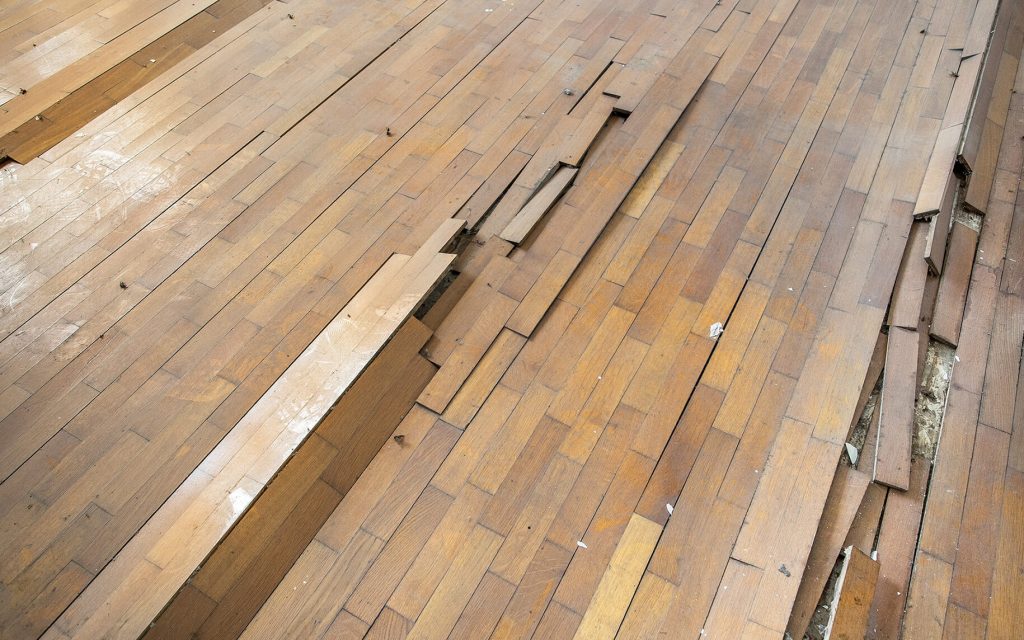
Floor movement, buckling, and gaps that signal a bigger problem
If you notice squeaking that has worsened over time, or if you can see gaps between planks that open and close with the seasons, some floor movement is normal. Wood expands and contracts with humidity, and that's expected.
But when buckling, cupping, or warped planks become a permanent feature rather than a seasonal one, it usually means moisture has gotten into the system and the boards have been compromised.
Severe water damage, whether from water leaks, flooding, or years of moisture buildup, causes wood to swell, separate, and lose its structural integrity. In these cases, refinishing simply masks the problem.
The entire floor, and potentially the subfloor, needs to come out. The sooner it's addressed, the less damage spreads to surrounding areas of your home.
The real cost of hardwood floor replacement vs. another floor finish
Many customers hesitate at the cost of hardwood floor replacement, and that's completely understandable. Refinishing is generally less expensive upfront.
But when floors have reached the point of severe water damage, structural damage, or extreme wear, refinishing becomes money spent on borrowed time.
A full replacement done right, with quality hardwood or engineered hardwood floors, gives you decades of durability and performance. Engineered hardwood is an excellent option for many Southern Ontario homes, particularly in spaces with humidity fluctuations, as engineered floors are more dimensionally stable than solid hardwood in those conditions.
At Supreme Flooring, we work with a wide range of materials and budgets to make sure you get the best value, not just the lowest price.
Replacing hardwood floors: what Southern Ontario homeowners need to know
When you do move forward with replacing hardwood floors, you have an opportunity to completely reimagine your space.
New flooring means a new stain colour, a new layout, updated baseboards, and a completely new look that fits your current style and budget. Whether you choose solid hardwood, engineered hardwood installation, or explore other options like laminate for certain areas, the installation process makes all the difference.
Southern Ontario's climate creates real challenges for wood floors year-round. Humidity in summer, dry heat in winter, and everything in between affects how flooring performs and lasts. Supreme Flooring understands these conditions and installs every floor with that in mind.
Know when to let go
Quality hardwood floors are an investment worth protecting. But protecting them sometimes means knowing when refinishing has reached its limit.
If your floors show signs of severe flooring damage, floor movement, structural compromise, or have simply been worn and refinished to the point of no return, replacing hardwood floors is the responsible and cost-effective choice.
Don't pour more money into a floor that can't be saved. Invest in new wood that will serve your home well for decades to come.
Supreme Flooring serves homeowners across Southern Ontario with expert hardwood floor installation, replacement. Contact us at supremeflooring.ca, or call (647) 893- 771 for an honest assessment and a free quote.
When homeowners think about renovation projects that increase property value, kitchens and bathrooms usually come to mind first. But there is one feature that buyers notice the moment they walk through the front door: the staircase.
In Oakville's competitive real estate market, where buyers expect quality finishes and move-in-ready homes, upgrading your stairs can make a lasting impression that dramatically improves your home's market appeal and resale value.
Your staircase is a focal point buyers cannot ignore
A staircase is one of the most prominent design elements in any two-storey home. It sits at the heart of the interior, connects every level of the house, and is almost always visible from the entryway.
Potential buyers form opinions quickly, and worn treads, outdated carpeted steps, or a dated railing can signal neglect throughout the entire property.
On the other hand, a beautiful staircase built with high quality materials instantly elevates the overall appearance of the home. Clean lines, modern railings, and a design that complements the surrounding floors create a sense of quality that buyers associate with the rest of the property.
In short, upgrading your stairs helps your home stand out in a crowded market.
Check out some of our recent stair installations in Southern Ontario.
The right materials make a big impact
Choosing durable materials is one of the most important decisions in any stair renovation project. Hardwood species like oak and maple are perennial favourites because they are resilient, timeless, and pair beautifully with hardwood floors throughout the home.
Unlike carpeted steps that tear quickly and trap dust, hardwood treads are easy to maintain and retain their beauty for decades.
For homeowners drawn to a more contemporary look, combining different materials opens up exciting design possibilities. Wood treads paired with glass railings or sleek metal spindles create a modern, stylish aesthetic that feels fresh and upscale.
These combinations work especially well in smaller spaces, where open risers and glass elements allow natural light to flow freely, making the entire area feel larger and more open.
Open risers and modern design trends add value
Open riser stairs have become one of the most requested stair styles among Oakville homeowners, and for good reason.
By removing the closed riser panel between each tread, this design allows light to pass through the staircase and creates an airy, contemporary feel. When paired with glass or wrought iron railings, open risers become a standout feature that buyers remember long after the showing is over.
Matching the staircase to the home's style and existing floors is equally important. Small changes, like replacing carpeted steps with hardwood treads that match the main floor, or upgrading to a classic wood and glass railing combination, can transform the overall appearance of the interior without a full-scale remodeling project.
These improvements create a cohesive, intentional look that buyers and appraisers notice.

Safety and code compliance protect Your investment
Beyond aesthetics, upgrading your stairs addresses real safety risks that can surface during a home inspection. Loose treads, wobbly railings, and non-compliant riser heights are common red flags that give buyers leverage to negotiate the price down or walk away from a deal entirely.
A new staircase built to Ontario Building Code standards eliminates these concerns before they become a problem.
Functionality matters just as much as beauty. Stairs that feel solid underfoot, with properly spaced treads, secure railings, and quality construction throughout, communicate to buyers that the home has been well cared for.
This sense of quality and safety supports increased property value and makes it easier to sell your home at the price it deserves.
Why Oakville homeowners are upgrading their stairs
Oakville homes command some of the highest prices in the Greater Toronto Area, and buyers in this market expect finishes that reflect that value. Upgrading your stairs is one of the most cost-effective ways to enhance your home's appeal, whether you are preparing to sell or simply want to enjoy a more beautiful, functional living space.
At Supreme Flooring, we specialize in custom stair installation and refacing for Oakville homeowners. From replacing worn treads and carpeted steps to building a completely new staircase with modern materials, our team delivers results that make a real difference.
If you are ready to transform your home with a beautiful new staircase, contact us today for a free quote. Or give us a call at (647) 893-1771
When it comes to choosing a local flooring contractor for your home, the decision you make matters far beyond the price tag.
Big box stores and national chains may offer flashy promotions and a wide product selection, but they simply cannot offer what a dedicated local business brings to the table.
For homeowners in Southern Ontario, choosing a trusted local installer like Supreme Flooring means choosing personalized service, honest advice, and results built to last.
The local advantage: knowledge that 0nly comes with experience
Ontario's climate is demanding. Homeowners deal with hot, humid summers and cold, dry winters that cause flooring materials to expand, contract, and shift throughout the year.
Local experts who have spent decades working inside homes understand exactly how these seasonal changes affect hardwood. They know which installation techniques hold up over time, which wood species perform best in our climate, and how to prepare a subfloor properly to prevent problems down the road.
Unlike big box stores, where staff often have limited expertise in actual installation, local flooring retailers build their reputation on specialized training and hands-on knowledge. At Supreme Flooring, our team has been serving Oakville and Southern Ontario since 1994, giving us over 30 years of experience with the unique conditions, home styles, and subfloor types found throughout this community.
Every home is different
Ontario is home to a diverse mix of housing. From character-rich older builds in Old Oakville to newer construction in River Oaks and Palermo, each property presents its own challenges. Local artisans and installers who work regularly in these neighbourhoods understand the differences in joist spacing, subfloor conditions, and layout constraints that vary from one era of construction to the next.
Box stores typically rely on third party contractors or third party installers who rotate between projects across the entire GTA. These crews often arrive without any specific knowledge of your home or your neighbourhood.
A local business like Supreme Flooring manages your entire flooring project from start to finish. We handle tear-out, subfloor preparation, layout planning, installation, and finishing in-house, with dedicated attention to every detail of your space.

Personalized service and tailored recommendations
Big box chains are built around volume. Their goal is to move as much product as possible, which means recommendations are often driven by inventory rather than your unique taste or your home's specific needs.
When you work with Supreme Flooring, you receive tailored recommendations based on your lifestyle, traffic levels, whether you have pets or young children, and the aesthetic appeal you want to achieve.
Our knowledgeable staff offers expert advice on flooring materials, from solid hardwood and engineered hardwood to stairs and railings, and guides you through the latest trends without pressuring you into a product that does not suit your home.
This kind of honest advice and transparent pricing is what local contractors do best.
Accountability, community support, and long term value
One of the most significant advantages of choosing local is accountability. When your flooring project is complete, we are still here. We are your neighbours. We attend local events, support the local economy, and depend on the trust of this entire community to keep our business thriving. If a concern arises after installation, you know exactly who to call and you will be heard.
Big box stores often come with hidden costs that only reveal themselves after the sale. Upsells, subpar premium materials offered by third party suppliers, and the expense of repeat visits all add up. High quality flooring installed correctly by skilled local professionals means fewer repairs, less maintenance, and long term value that justifies your flooring investment.
We source from reputable manufacturers and stand behind every project with a 100% customer satisfaction guarantee.
More than floors: a full home transformation
Choosing a local hardwood flooring contractor also means access to a broader scope of expertise. At Supreme Flooring, we do not just install new floors. We design and install custom hardwood staircases, wood and glass railings, and engineered hardwood that coordinates seamlessly throughout your home. This integrated, full-service approach is something national chains and big box stores simply cannot offer.
Local small businesses like ours reinvest directly in the communities we serve. When you choose local, you are not just improving your home. You are supporting local jobs and the broader local economy that makes Oakville a great place to live.
Ready to start your next flooring project?
If you are planning a flooring project in Oakville, do not settle for the impersonal experience of a big box store. Choose a local expert who knows your home, your community, and the craftsmanship required to get it right.
Supreme Flooring has proudly served Oakville and the Greater Toronto Area for over 30 years, delivering superior customer service, expert guidance, and results that stand the test of daily wear.
Contact us today for a free consultation and estimate. Call 647-893-1771, email info@supremeflooring.ca, or visit supremeflooring.ca to explore our full range of hardwood flooring, stair, and railing services.
A wobbly railing or flimsy handrail might seem like a minor inconvenience, but for Ontario homeowners, it’s a ticking time bomb. Here’s everything you need to know about the hazards of loose railings and how to keep your family safe.
Many homeowners walk past a loose railing every single day without giving it a second thought. It wiggles a little when you grab it on the stairs, but life is busy, and it gets added to the "fix it someday" list. The problem is that loose railings left unaddressed don’t stay mildly inconvenient. They get worse. And when a railing fails at the wrong moment, the consequences can be devastating.
Falls are the leading cause of injury-related hospitalizations in Canada, and a significant number of those falls happen right at home — on stairs, and balconies where people expect their railing to provide support. A properly installed railing can mean the difference between catching yourself and a serious fall. A loose one offers none of that protection.
| ⚠️ Ontario Stat: Falls are the leading cause of injury-related hospitalizations among older adults in Canada. In 2022, over 78,000 fall-related hospitalizations were recorded among Canadians aged 65 and older — the majority at home. A secure, properly installed railing is one of the most effective safety measures you can take. |
What Causes Railings to Come Loose?
Understanding why railings fail is the first step toward preventing it. Most cases of structural weakness in handrails and stair railings come down to a few common culprits:
- Wood rot and moisture damage: Ontario’s wet springs and freeze-thaw cycles drive moisture deep into wood posts, balusters, and brackets. Over time, rot sets in, softening the wood around fasteners and undermining the entire railing’s stability.
- Loose screws, bolts, and fasteners: Everyday wear and repeated pressure gradually loosen the hardware holding your railing together. What starts as a tiny amount of play compounds over time into visible movement.
- Warping and cracking: Wood railings exposed to sun, and temperature swings can warp and crack, creating structural issues that compromise the entire railing system.
- Poor or non-compliant installation: A railing that wasn’t installed correctly from the start or that doesn’t meet Ontario Building Code (OBC) standards will degrade faster and may be dangerous even when it looks intact.
Any one of these factors can turn a sturdy railing into a safety hazard. In many cases, several are happening at the same time.
The Warning Signs: How to Know Your Railing Is a Problem
Many homeowners don’t realize how loose their railing has become until something goes wrong. Here are the signs that your railing needs attention:
- Visible movement when you push, pull, or lean on the railing
- Visible damage such as cracked or split wood, crumbling balusters
- Loose screws or bolts that turn freely or have pulled away from the material
- Gaps forming between the railing and its mounting brackets or wall anchors
- Soft or spongy wood at the base of posts — a sign of rot from moisture damage
- A railing that wobbles even under light pressure
If your staircase railing, or any handrail in your home shows any of these signs, treat it as a safety hazard that needs professional inspection, not something to defer.
| 💡 Quick Test: Grip your railing firmly and apply your full weight — push sideways, pull outward, and press down. A secure railing should not move at all. Any flex, wobble, or creaking under full pressure is a red flag. |
Why Loose Railings Are So Dangerous
A loose railing isn’t just an eyesore or a minor safety risk — it can lead to life-altering accidents. Here’s why:
1. Falls on Stairs Are Especially Serious
Stairs are where railings matter most. When someone descends a staircase carrying laundry, groceries, or a child, they often put their full weight on the handrail for balance. A wobbly railing or flimsy handrail that gives way in that moment can cause a serious fall with little warning. Children and older adults are especially vulnerable — for older adults in particular, a fall on the stairs can lead to broken bones, head trauma, or worse.
2. Small Problems Become Expensive Repairs
This is where many homeowners get caught off guard. Small problems with railings, a loose screw here, a bit of moisture there — seem minor when they start. Left unaddressed, they lead to costly repairs or full replacement down the line. Wood rot spreads. Corroded fasteners cause the surrounding material to fail. A railing that could have been stabilized with simple repairs eventually becomes a candidate for total replacement — at significantly greater cost.
The most expensive railing repair is always the one you waited too long to make.
Legal Liability: What Ontario Homeowners Need to Know
Under Ontario’s Occupiers’ Liability Act, homeowners have a legal duty of care to keep their property reasonably safe for visitors. If a guest, contractor, or neighbour is injured because of a loose railing on your property, you may be held legally and financially responsible. Your home insurance may not cover injuries resulting from known, unaddressed hazards — which means a wobbly railing isn’t just a safety risk, it’s a potential liability.
This is especially important for homeowners with rental units, in-law suites, or properties that see regular visitors. A proper inspection and timely repair is the most effective way to protect both your family and your finances.
Repair or Full Replacement? How to Decide
Not every loose railing requires a full replacement. Simple repairs; tightening loose fasteners, replacing corroded bolts, re-securing brackets can restore stability to a railing that is otherwise in good shape. However, there are situations where repair is only a short-term fix and full replacement is the right call:
- The posts or balusters show significant wood rot or moisture damage
- The entire railing system is old and was installed before current OBC standards
- Multiple areas are compromised, not just a single fastener or bracket
- The foundation or mounting surface wall studs) has structural issues
A professional inspection will give you a clear picture of what you’re dealing with. Supreme Flooring can assess the structural integrity of your existing system, identify hidden damage, and recommend whether to repair or replace. Along with the right materials and installation approach for your home and Ontario’s climate.
Why You Shouldn’t DIY a Railing Fix
It can be tempting to tighten a few loose screws and call it done. And for truly minor issues, that might buy some time. But a railing is an essential safety component — not just a decorative feature. If the underlying wood, posts, or mounting foundation are compromised, surface-level fixes won’t make it safe. You may not be able to see or properly assess the extent of rot, corrosion, or structural weakness without the right tools and experience.
More importantly, a railing that doesn’t meet OBC requirements — even if it feels secure — can expose you to liability and complicate the sale of your home. Professional stair railing installation services ensure the railing is code-compliant, properly anchored, and actually able to do its job: support someone who puts their full weight on it in a moment when it matters most.
How to Keep Your Outdoor Space Safe Year-Round
Prevention is always easier than repair. Here’s how Ontario homeowners can maintain their railings and keep their outdoor space safe through the seasons:
- Inspect all handrails, stair railings, and balusters at the start of spring and fall
- Check fasteners, including screws, bolts, and brackets for loosening, or movement
- Look for signs of wood rot at the base of posts and anywhere moisture can collect
- Check for warping, cracking, or gaps that weren’t there before
- Re-seal or repaint wood railings every few years to maintain moisture protection
- Book a professional inspection every two to three years
Proactive maintenance keeps small problems small, and helps you avoid the expensive repairs that come from letting issues go unaddressed.
Don’t Ignore a Loose Railing
A loose railing is a common hazard that many homeowners underestimate. It’s easy to put off because the risk isn’t always visible — until it is. Whether it’s the staircase inside your house, or the handrail at your front entrance, if it’s not secure, it’s not safe.
The good news is that with a proper inspection and the right professional services, most railing issues are very fixable. Quickly, affordably, and with lasting results. Don’t wait for a fall to remind you that it needed to be fixed. Keeping your family safe starts with the basics.
| Keep Your Family SafeLoose railings are a serious safety hazard that only gets worse over time. Our team installs sturdy, Ontario Building Code-compliant handrails, stair railings, and balusters built to handle Ontario’s climate and built to last. Contact Supreme Flooring today.📞 Call us today for your free consultation and estimate. |